
This post will be different to other posts I’ve made on this blog, more of a formal explanation of what I am doing and why I am doing it. All of the posts so far I’ve made on the blog have been focused on painted models, but there are no painted models in this post, painted models will come later! Think this as an introductory chapter to a book about me painting this army.
This project I’ve been working on very slowly in the background, in between painting other models. It’s been going slow for a couple of reasons: 1) I have no real time pressure on this, as I don’t really have anyone ready anytime soon to play games of Warhammer Ancient Battles (WAB from now on!), 2) Part of the fun for me when building historical armies is to research them to try and get some historical accuracy to what I’m doing. I say some, because between the lack of complete certainty from the historians, the interpretations imposed by the model manufacturer, the interpretations imposed by the rules writers, and my own drives towards building something that I think will be fun to paint and play with, there is a lot of grey area! As a compromise I’ve settled on reading as much a I can about the era and the organisation of republican Rome’s armies, and from that, extract what I think are defining characteristics that I want to represent in this army.
Why Warhammer Ancient Battles?
Before getting stuck into why I chose this army specifically, I wanted to address the games system, as there are many other options to chose from when it comes to 28mm ancient battles, such as Hail Caesar from Warlord Games and Kings of War Historical from Mantic Games. While I enjoy painting miniatures for the sake of painting miniatures, when it comes to armies I like to have a framework to operate in, to help me structure what models to get and how to equip them. I chose WAB as that framework, mainly due to familiarity and nostalgia. I played Warhammer Fantasy Battles (which was the basis for WAB) for many years before it was discontinued, which means I have a baseline understanding of the WAB rules, and a bit of longing for a return to movement trays and ranked up miniatures (madness!).
Why Republican Rome?
This decision was driven by childhood memories. As a history-loving kid I was given a book about the Roman army (The Roman Army by Peter Connolly), which covered the commonly discussed eras (Republic, Late Republic, and Imperial). I was always struck by the illustrations of the different infantry types in the republican army, with the Velites and their wolf skins, Hastati/Principes throwing pilums, and the Triarii with their long spears. I still have that book as you can see in the photo below.
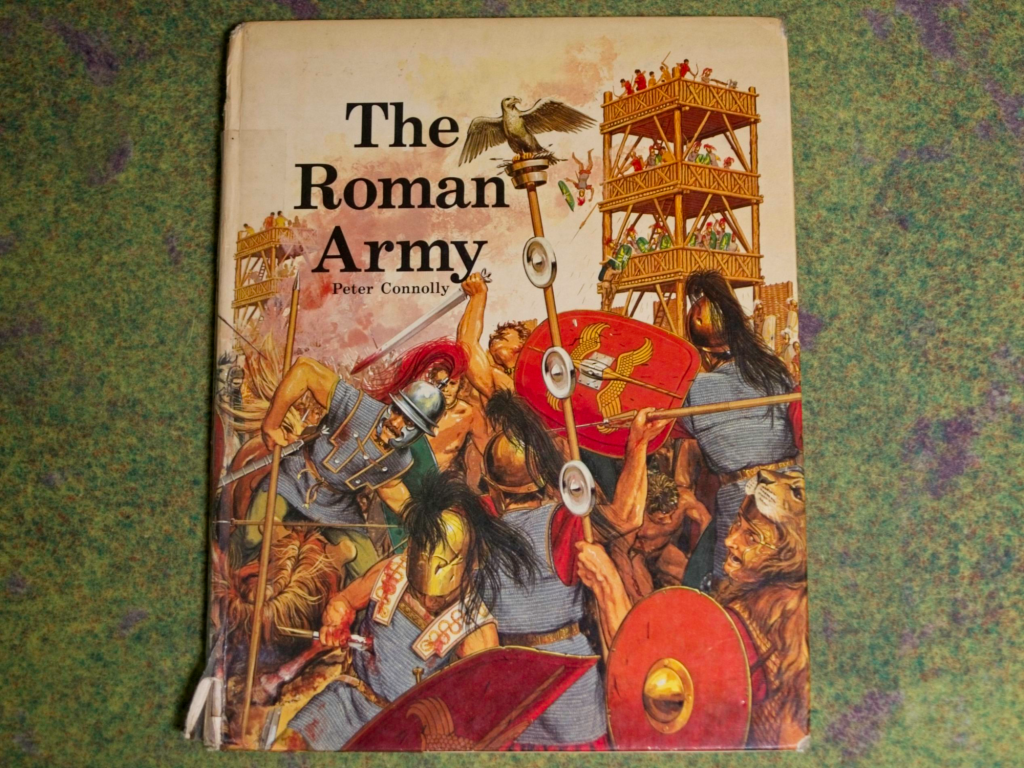
While all three eras covered in that book inspire me, when it came to choosing an ancient army to put together, the Republic won over the later eras. Specifically, this is the army of the Republic during the 2nd and 3rd Punic wars. While memories of the book inspired the choice of army, a more mundane consideration came into the decision: the variety of troops in the Republican army would be much more fun to paint!
Forming the Army
As part of researching the formation of these armies, I re-read through the book I discussed above, but also drew from another book: The Roman Army edited by Chris McNab, which goes into a lot more detail about how and why the army was the way it was.
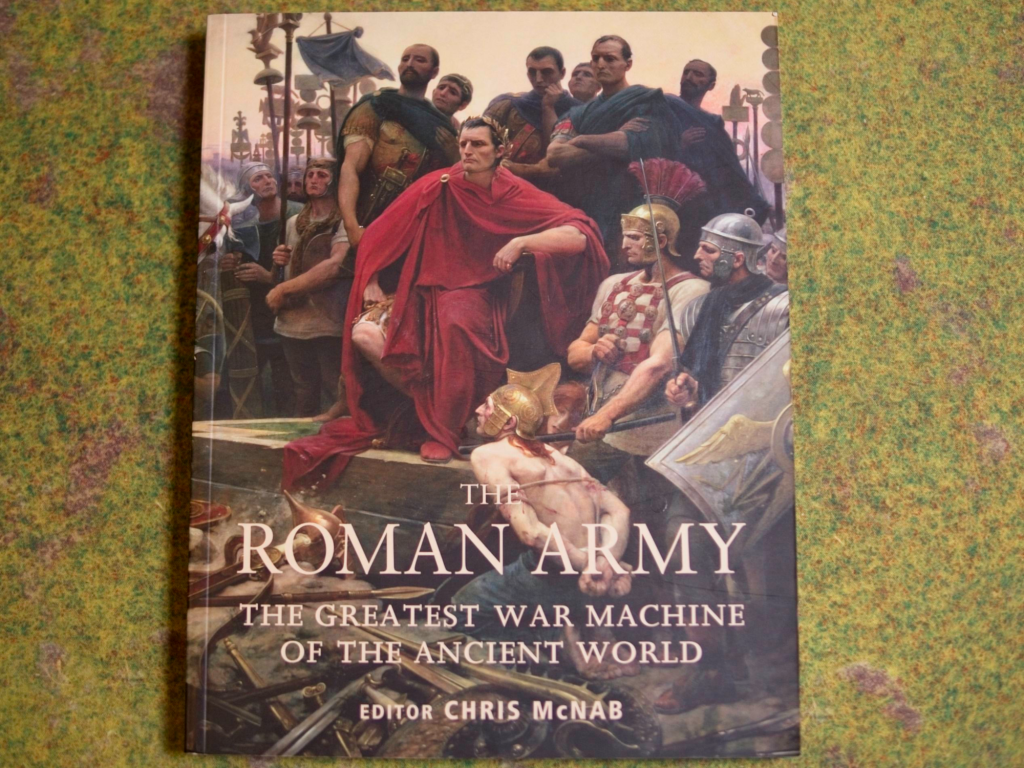
With this reading in mind, I came up with the following drivers for the army:
- All four infantry types must be included (Velites, Hastatii, Principes, Triarii)
- The ratios of those infantry types should be roughly respected (Hastati:Principes:Triarii -> 2:2:1, with enough Velites to screen all these)
- A legion would be reinforced with cavalry (Equites), and I want to include some too
- The legions of the era fought with allies from other Italian states, and I would include these if I had the points to (I did not in the end)
With these points in mind, I looked through the WAB army lists and put together this 2800pt list:
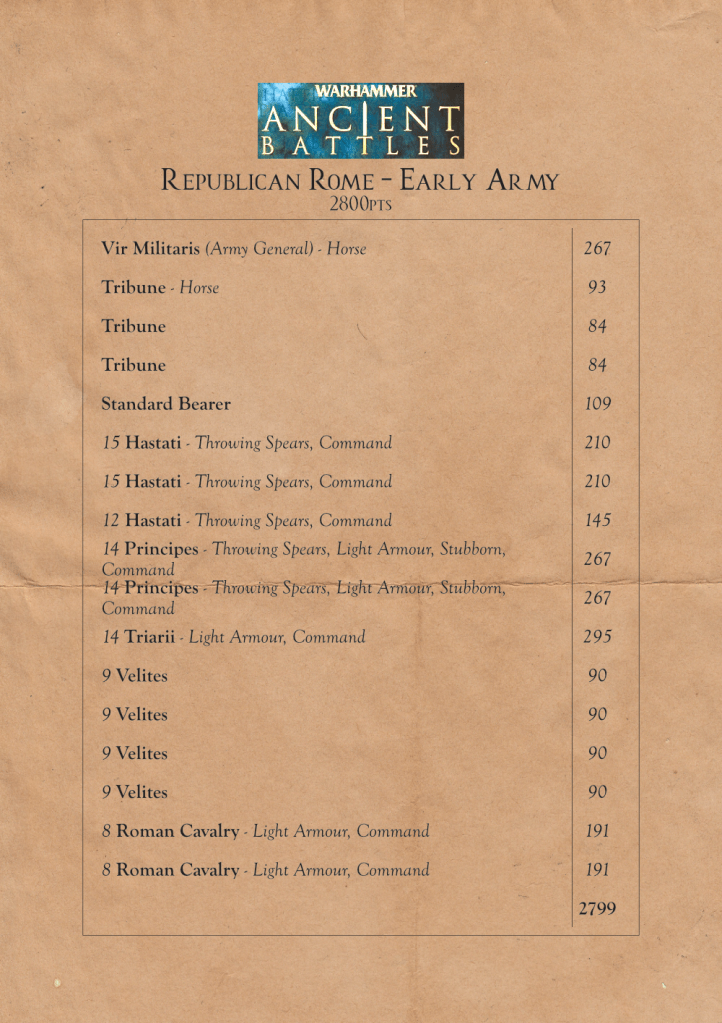
There are a few too many Hastati relative to the ratio I discussed above, included because I had leftover points and the models available, and there are quite a few characters given the size of the army (assuming each unit is a century, this army would represent around a fifth of a legion, and a legion was led by 6 Tribunes), but Warhammer is a hero heavy system so I think of this as a concession to fun over accuracy.
Building the Army
I settled on Victrix models for the bulk of the army relatively quickly. They have a range of Republican Roman figures in plastic that looked nicely detailed and well cast, and one of the local stores over here carried their models which made them readily available. For characters I had to look at other brands, and I decided to get some of Warlord Games’, models. Warlord doesn’t have a range of early republic figures, by they do have late republic models which I thought would be close enough.
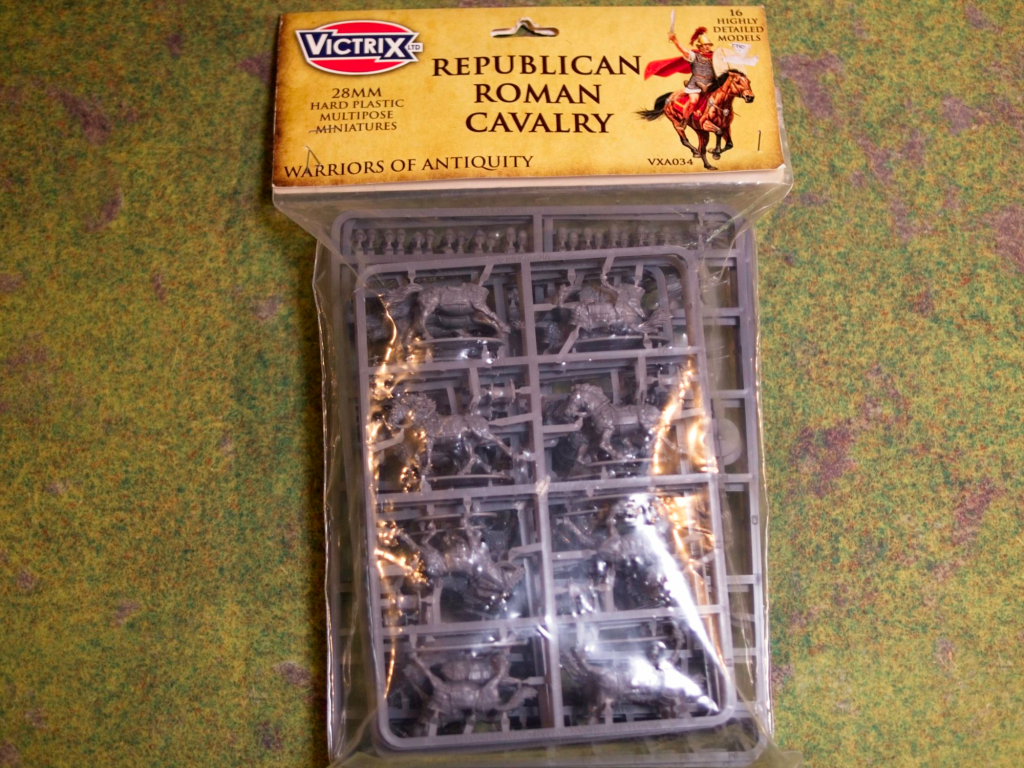
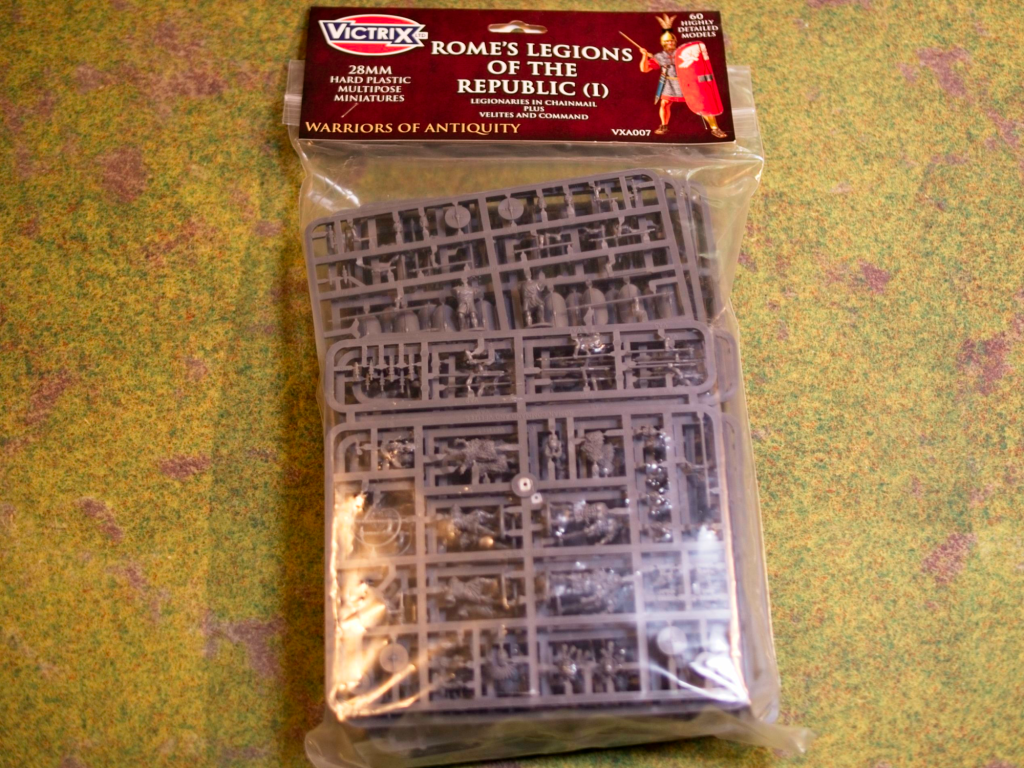
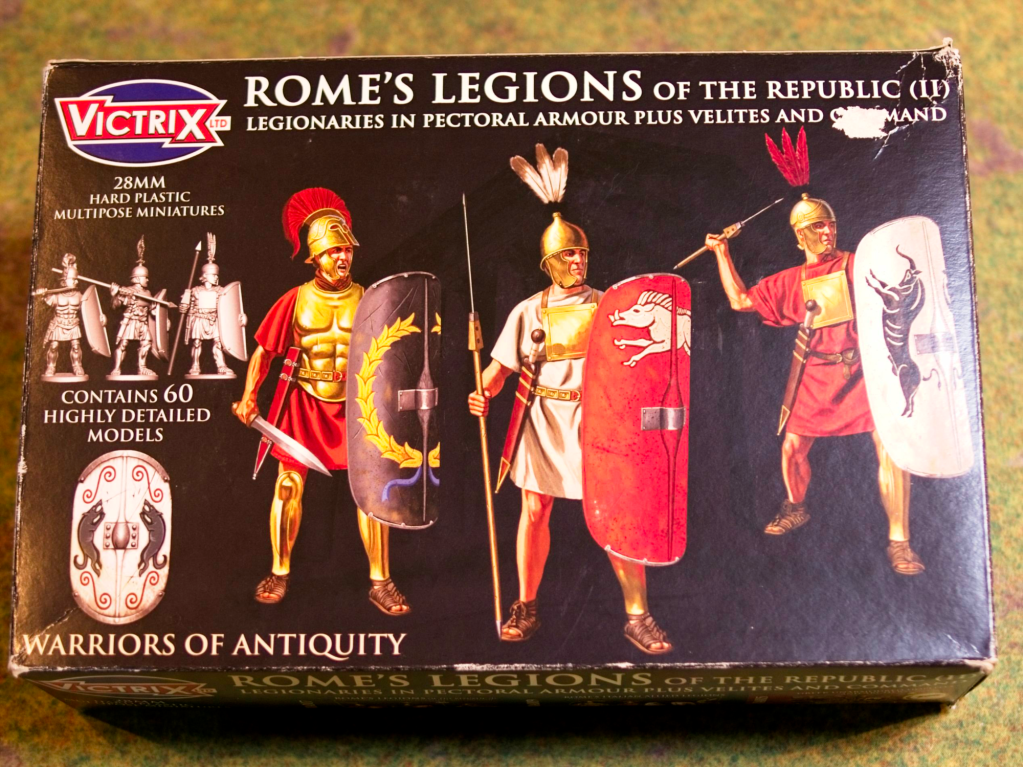
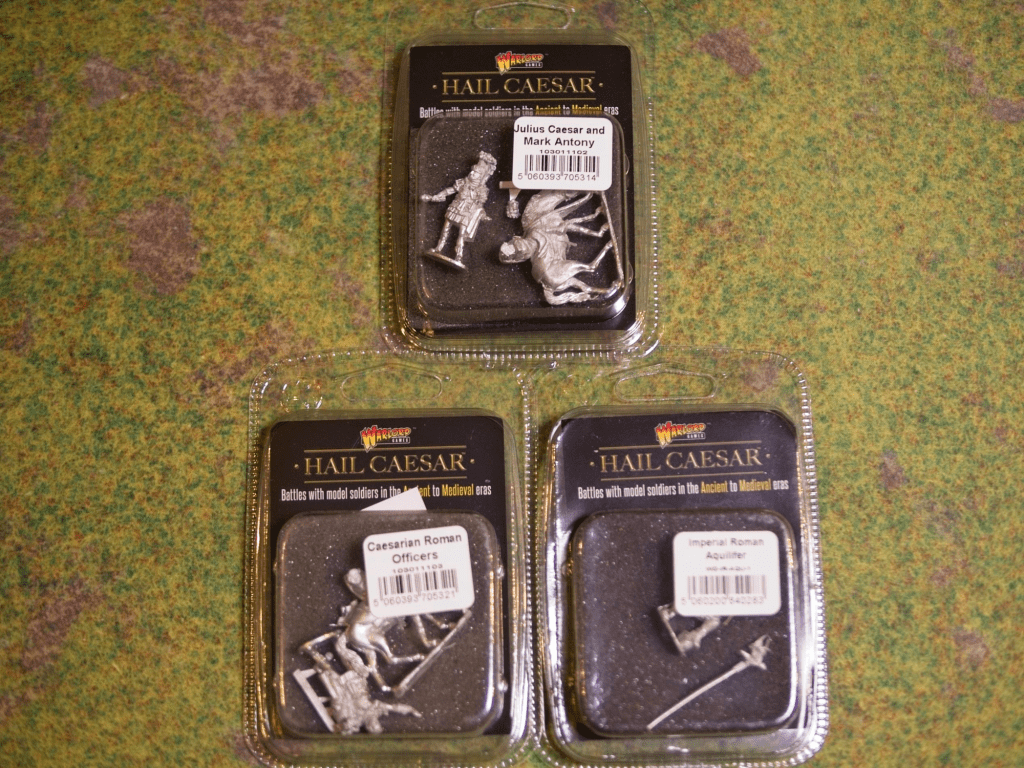
Victrix make two sets of legionaries, one with pectoral armour, and one with chain mail. Rome’s division between infantry troops being decided by wealth at the time, and troops buying their own equipment, I decided that the Hastati (poorest and youngest of the legionaries) I would model with the pectoral armour to make them easy to tell apart from the otherwise identically armed Principes who I would model with the chainmail bodies. The Triarii would also be modelled with chain mail, but as they are equipped with spears they would be easy to differentiate from the Principes.
Each Victrix set comes with 42 legionaries and 18 Velites, giving me a surplus of pectoral armour models if I were to only include the two units of Hastati as originally planned. Hence the inclusion of the smaller unit to fill out points, possibly the remnants of another maniple.
The Victrix models go together very easily, the main issue I had with them was the inclusion of stands directly on the models, which I cut off to glue them to Warhammer 20mm square bases. I can’t really fault them for this choice though, as they make these models to be system agnostic and need to cater to all types of basing as a result. I have some photos of the assembly process below.
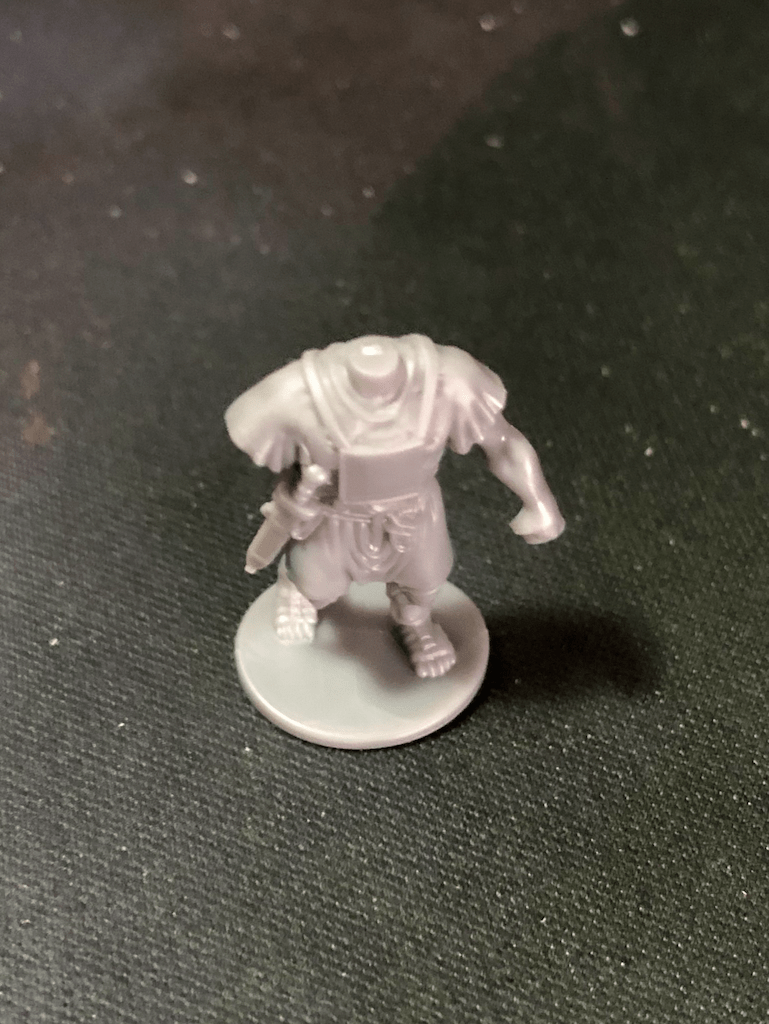
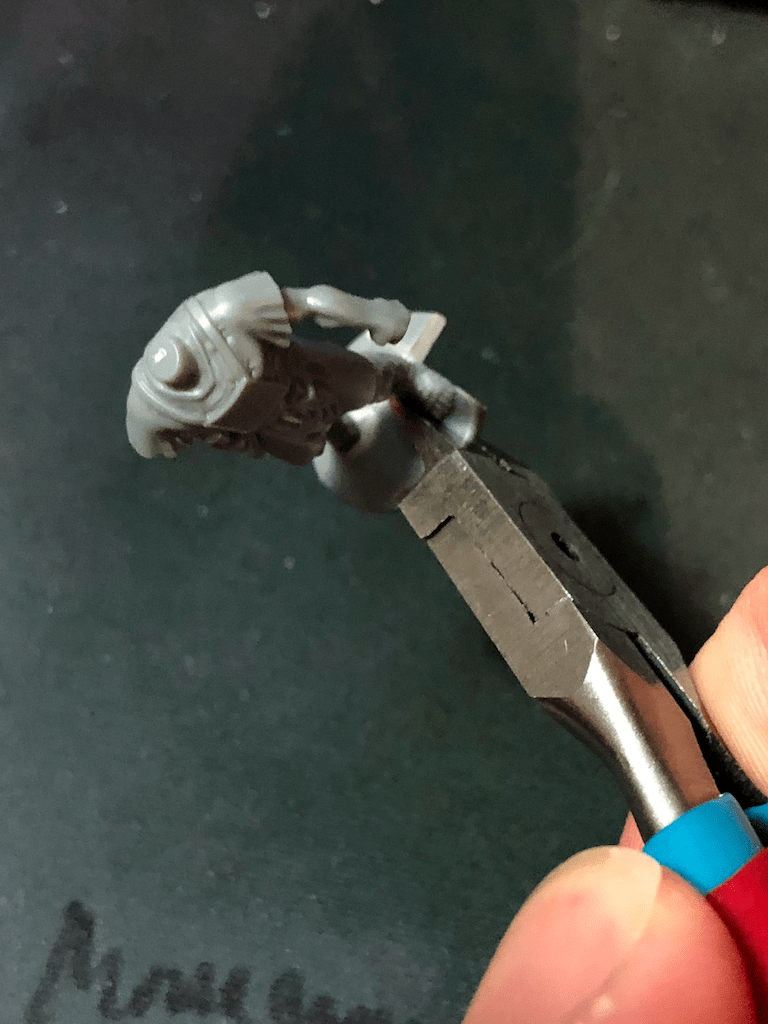
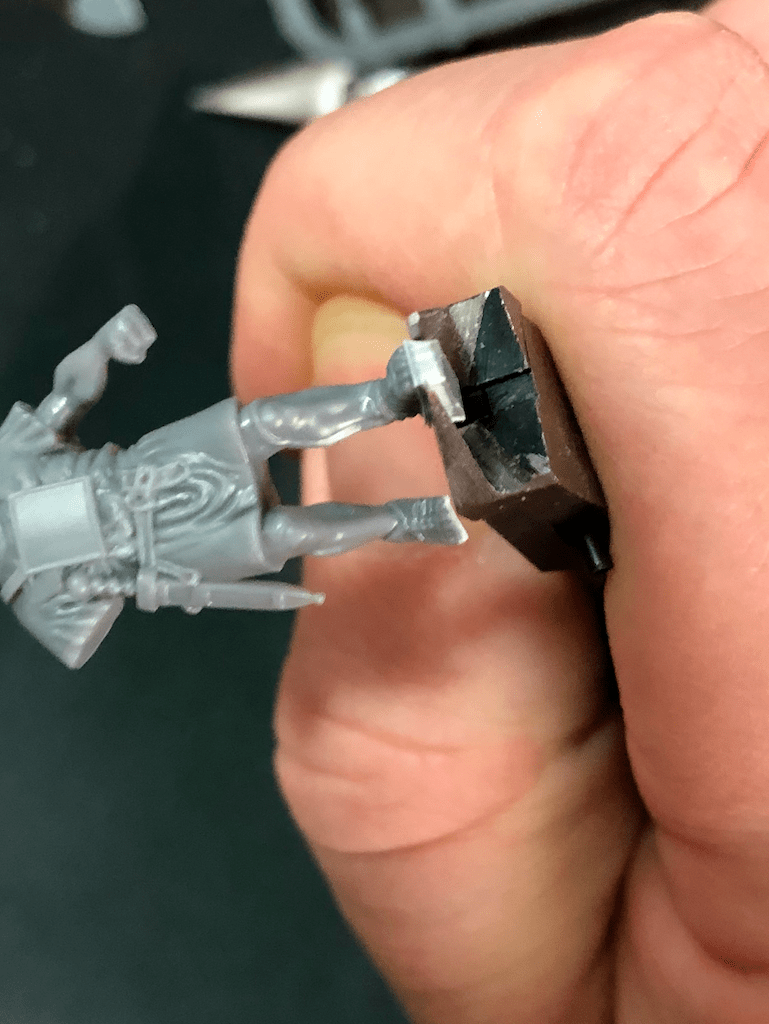
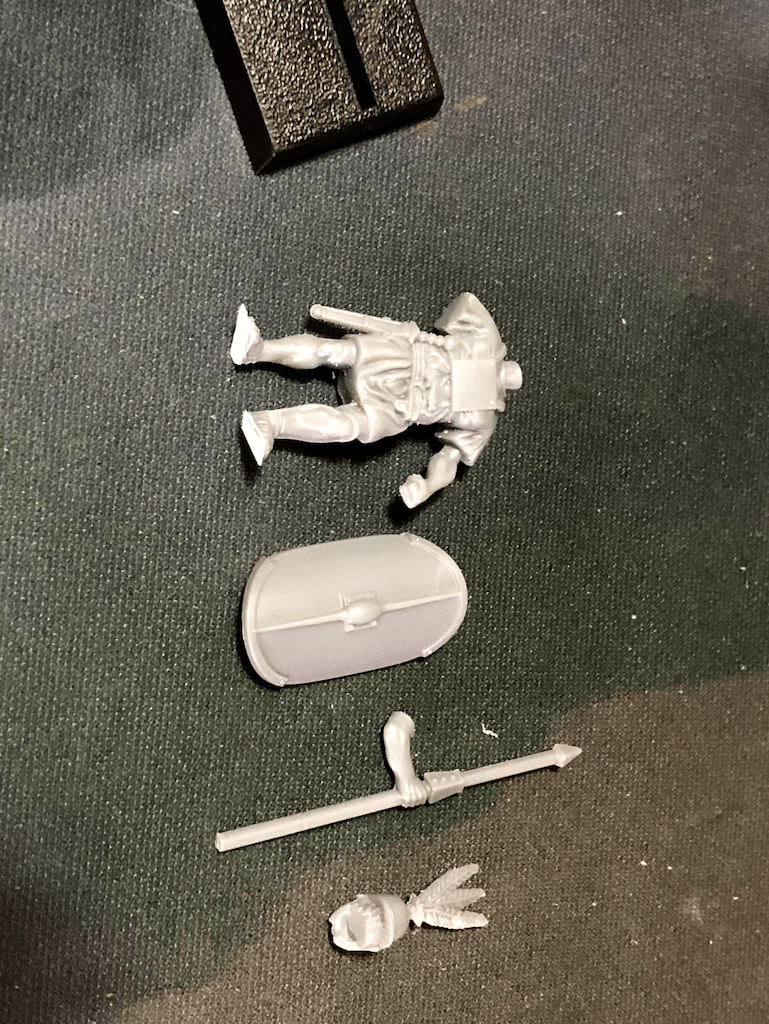
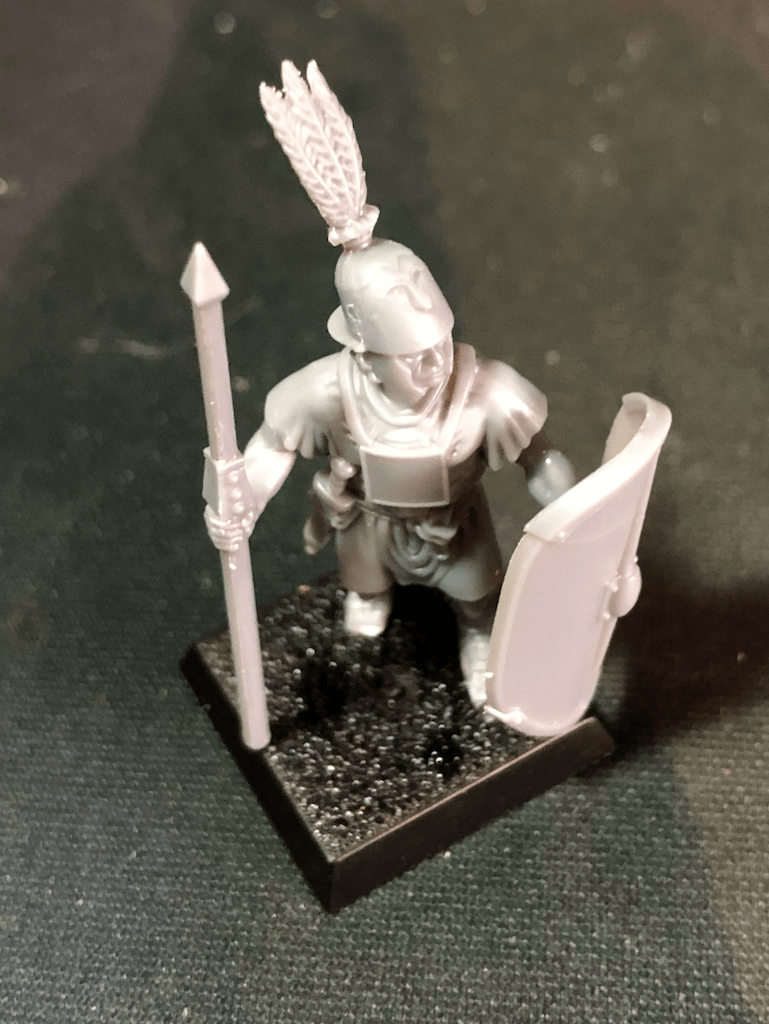
I’ve finished building the first set of models I got, the pectoral armoured legionaries, which gives me my three units of Hastati, and two of the four units of Velites the army will have.
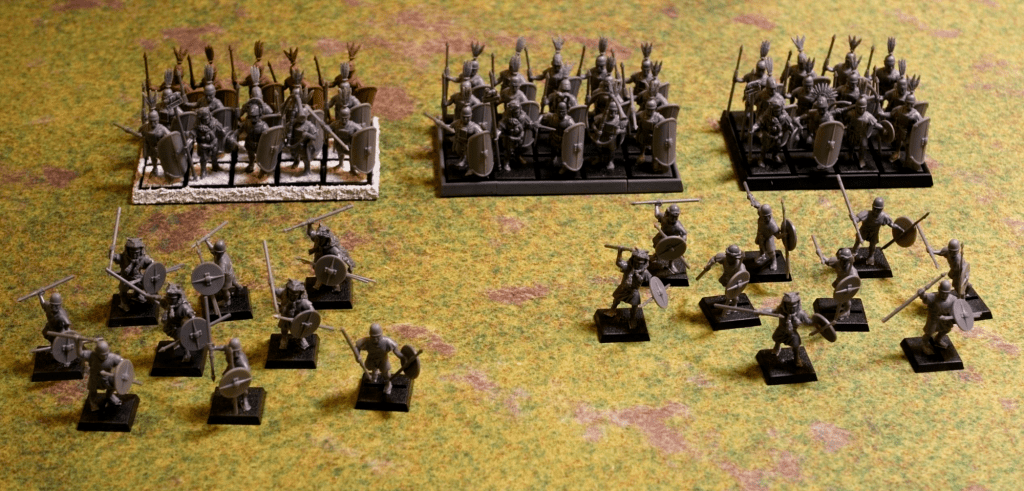
I hope you enjoyed a look at the process and decisions that I had to make as I went about planning this army. Expect to see some intermittent progress on this project, as I said at the start, I’m taking a very relaxed approach to getting these done, they will be worked on as inspiration strikes.
 Lair of the Lagomorph
2 thoughts on “Republican Romans for Warhammer Ancient Battles”