How I Learned to Stop Worrying and Love Rulings

Over the Christmas break I reconnected with one of my favourite pastimes: reading roleplaying game books (hence me posting something painting-related just once over two weeks of mostly free time!). I have a regular gaming group with which I play roleplaying games (and the occasional wargame!), and we play quite a few different games, but my gaming bookshelf is filled with games I’ve never played (and in some cases never read). I’d like to turn that around to some extent, and use the blog to motivate me to read through these books and write up my thoughts around them (More on that later!).

What I immediately got out of my readings however is a furthering of my appreciation of narrative gaming (as opposed to competitive gaming), and/or rules light games. I’m saying and/or because I see quite a bit of overlap between the two. While narrative games aren’t always rules light, both narrative games and rules light games expect players to come up with rules for their games, which is very different to competitive games where rules are expected to be provided.

This personal shift is something that’s been happening quite a bit over the last year, you’ve seen me take to Midgard over Warhammer and other historical and fantastical rulesets, Chain of Command over Bolt Action, explore narrative solo gaming with The Silver Bayonet and dip my toes into rules writing with my own rules-light skirmish game Masse d’Armes. This was a very wargames focussed transition, but this Christmas reading got me effectively in the same place for roleplaying games.
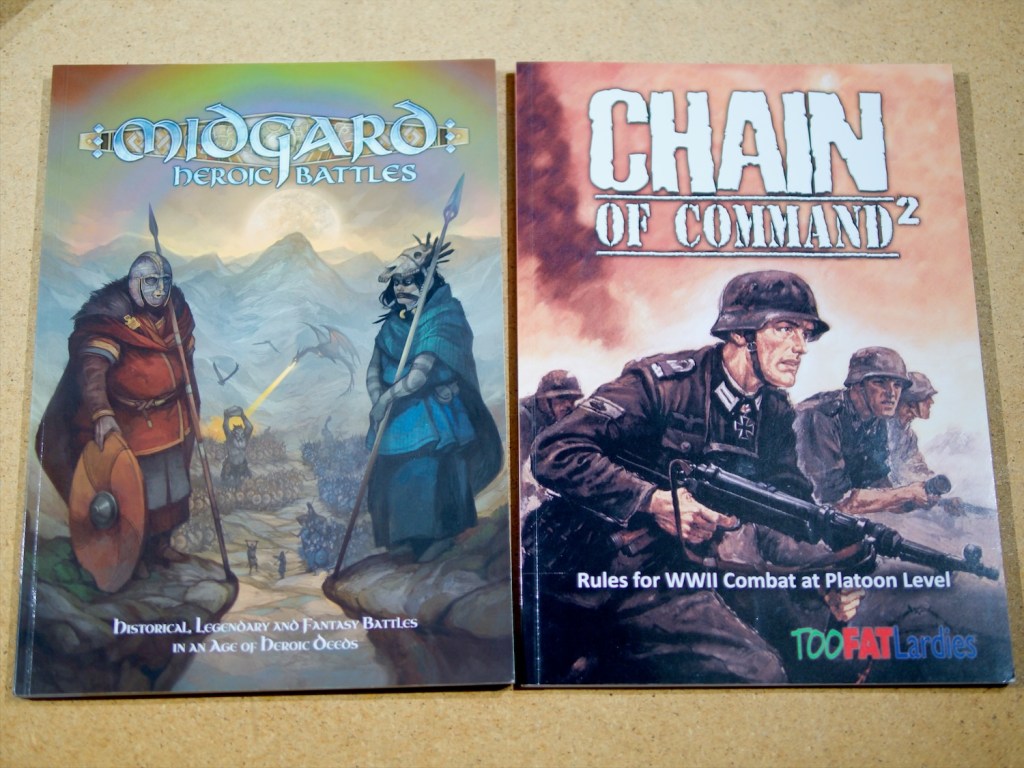
Neither is rules-light as such, but they are lighter rules than many other similar wargames, and both have a definite narrative bent.

I’m enjoying lighter rules in games for a few reasons. First of all, my time is more limited now than when I was younger, therefore my ability to a) play games, and b) read a massive rulebook front to back is much more limited than it used to be. I also more importantly have had a bit of an attitude shift to gaming itself, moving from a mindset of doing well in a game, playing to win etc. to enjoying the stories that emerge from these games. Looking back on 20+ years of wargaming, I don’t remember many of my victories (maybe not many to remember hah!), but I do remember plenty of fun moments in games where a lone soldier took down some chaos monstrosity, or when a unit of puny Skaven clan rats routed a mighty dragon.
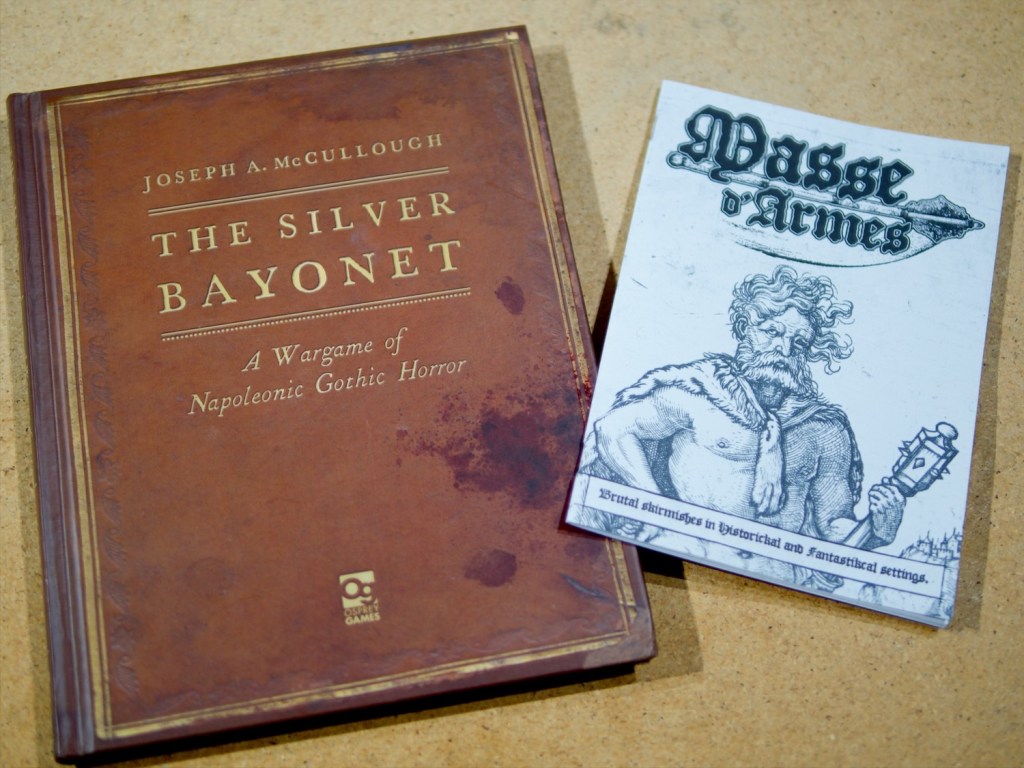
The Silver Bayonet’s light rules had a lot of influence on my own attempt at writing rules.

More competitive play-styles tend to rely on tight rulesets, which cater to (or try to) all situations that can arise in games – and therefore lead to big rulebooks. This style of game aims for game balance and fairness. In wargames of this style this means that players can assemble their armies and expect a game where in theory the best general can walk away with the victory. In roleplaying games, while not competitive as such, this tendency to aim for game balance as well as fairness is also present, with games trying to make sure all players are roughly the same power level and therefore able to have the same amount of fun. Games in this vein tend to have rules covering all kinds of situations so that the game master needs to make as few rulings as possible during games – keeping things fair.

This competitive play style is very common in wargames because it means you can build your army to a common ruleset and play games against anyone else that has also followed those rules. It allows tournaments to be played, but also allows for random pickup games at clubs. This shared rules phenomena is also present in roleplaying games, with games organised at stores and conventions following rules familiar to players that may not know each other before the game. This is the style of games I played for most of my gaming life, whether it be Warhammer or Dungeons and Dragons. If a query came up, I expected to be able to pick up a rulebook and find out how to resolve it (or failing that go look at FAQs online).
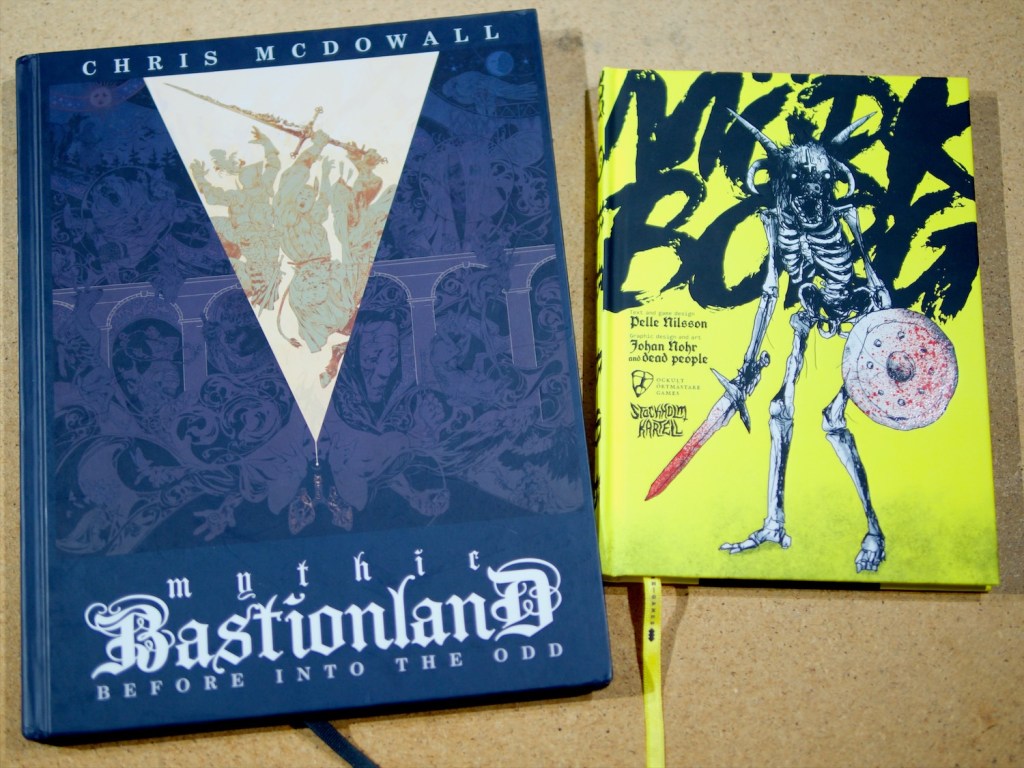
Mythic Bastionland’s main rules fit on a handful of pages, so do Mörk Borg’s.

Rules-light games on the other hand expect that situations will arise that will not be covered by the rules and therefore need some adjudicating during play. This is not a bug, it’s a feature. There is a movement in the roleplaying space called the OSR (Old School Renaissance/Revolution) which calls back to some glorious past vision of roleplaying in the 80s and 90s. I’m not sure things were that rosy, but I have to say the ethos that’s come out of that movement definitely resonates with me. One of the mantras I hear in this space is “Rulings not rules” which touches on that exact point: the rules provide a framework, the players (the game master mostly) are expected to fill in the gaps as they arise.
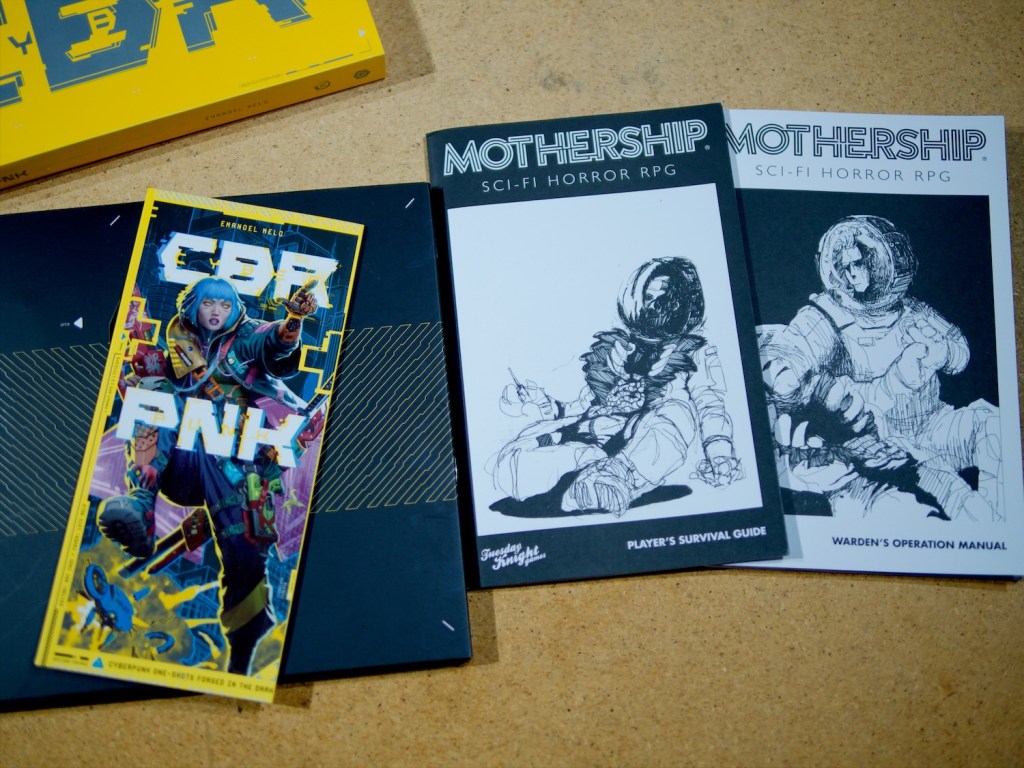
CBR+PNK’s rules are literally a pamphlet, and Mothership fits in a few zine-style booklets.

This sounds like more work, but in practice I really like it – I would much rather make a call on rules in the moment than try to find the relevant rule in a book. It’s probably not any faster, but it creates a shift in focus: instead of thinking about how to play the rules, you start thinking about how to play the situation in the game. For example, say a unit retreats into a dangerous magical swamp. A comprehensive set of rules might say they take d6 hits and how to resolve them. A more rules-light game might not, and the players will have to decide what this swamp does. Maybe this is a necromantic swamp filled with the dead dragging the living down and therefore some agility or initiative test might be in order to avoid being drowned. Perhaps the players land on the same rules they would have been given by a more comprehensive ruleset, but at least they’ve thought about what is happening in the imagined world.

Clearly I’m enjoying this shift, so what took me so long? Well I was always worried about this game balance and fairness aspect. For me, house rules were never going to be as tested as “proper” rules, and therefore would lead to unfair and consequently unfun games. I’ve now come to the decision that fairness is overrated in these games we play, and we’re much more likely to have a good time if we don’t worry so much about what is fair, and rather focus on what is unfolding in the game. The price of this is that it might be hard for me to find people that want to play games the way I do at a club or store. Luckily for me I have some friends that enjoy this play style, and we’re having a great time. This right there might be the reason you prefer one style of game over another, and that’s just fine – do what works for you!

To get back to that sentence right at the top on how I want to use the blog to motivate me to read through my book pile of shame, I’ve decided to try something along the lines of a series of posts dedicated to books. For these I would pick a book off my bookshelf, read through it and write down my thoughts. Not really as a review, more like reading notes. It would likely be a mix of wargames books and roleplaying books, which given this blog is 99% about wargaming might be a bit of a change but hopefully those of you that aren’t into roleplaying might find the posts interesting if only from your familiarity with rulebooks!

Anyway I hope my digression into games rules was interesting to read, let me know in the comments what you think about all this!
The Streets

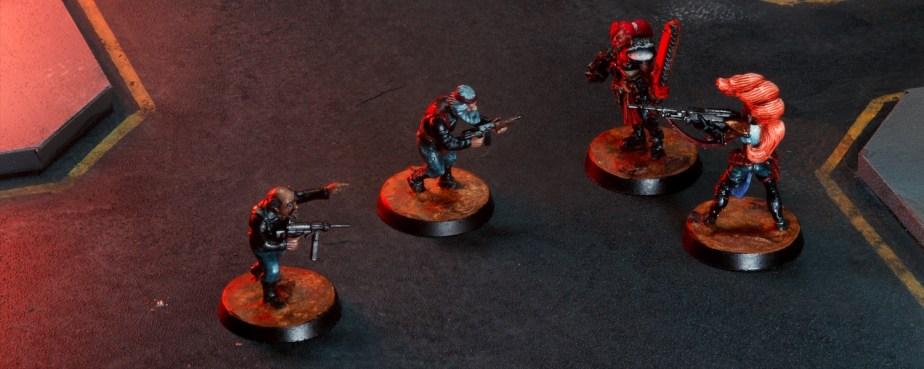
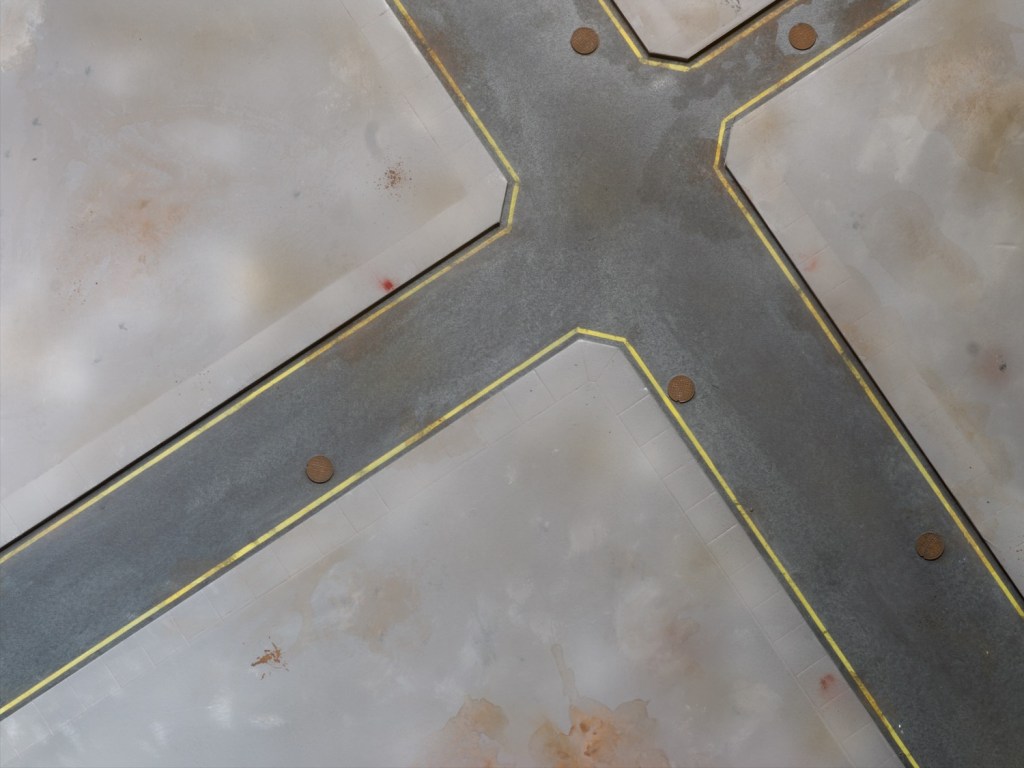
I’ve been working on a cyberpunk version of Masse d’Armes as I’m a fan of cyberpunk media and been wanting to play some miniatures games in the genre. There was a slight problem with that, which is that I don’t really have suitable models and terrain! The closest I do have is the terrain and models I made for This is not a Test, which is firmly in the post apocalyptic genre so not really appropriate. I therefore decided to start at the beginning and make a game board.

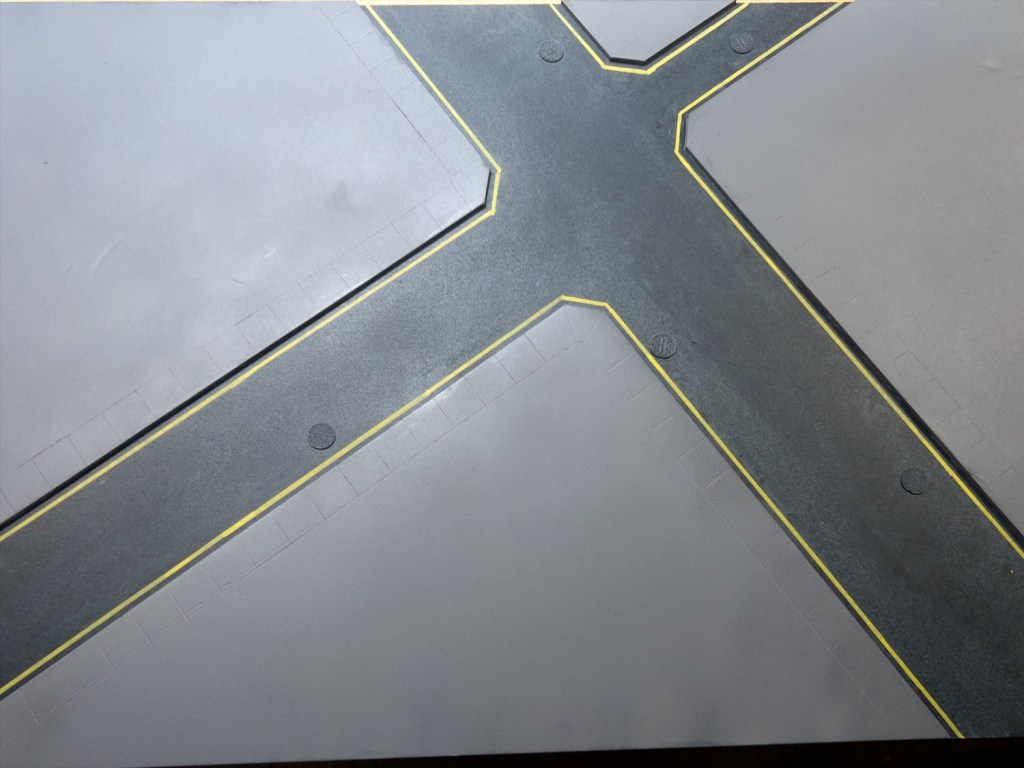
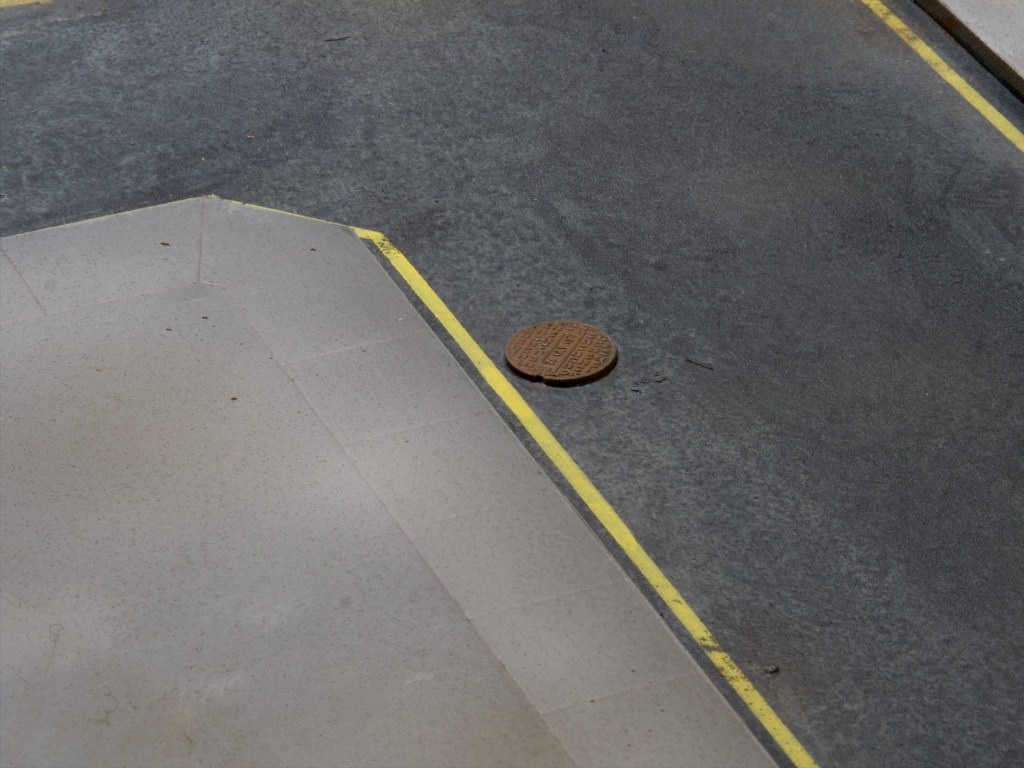
The finished product.

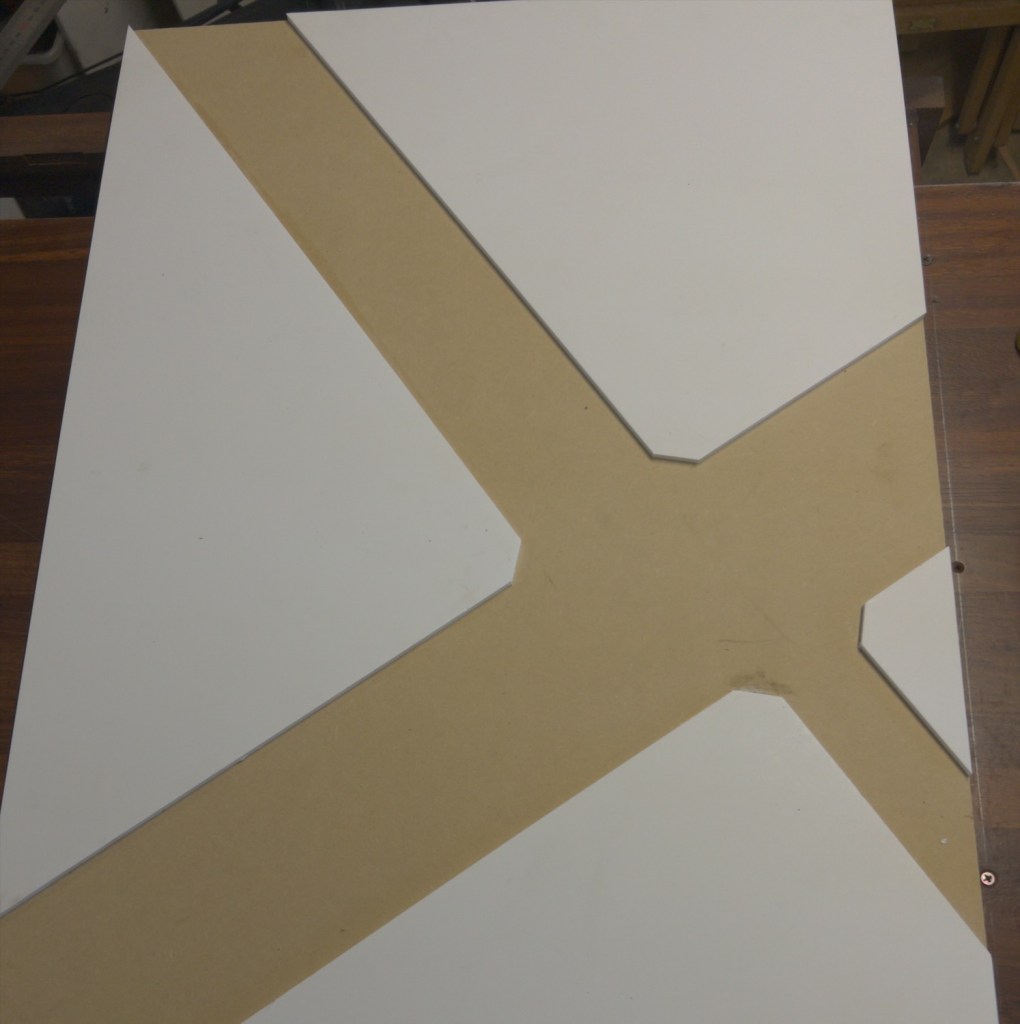
Rather than get a game mat, I decided to make my own, starting with a 900x400mm (~3x2ft) MDF board from the local hardware shop. I then cut out the shapes for the raised footpath areas using 5mm foam core panels.

I glued these down with PVA glue and left them overnight weighted down.

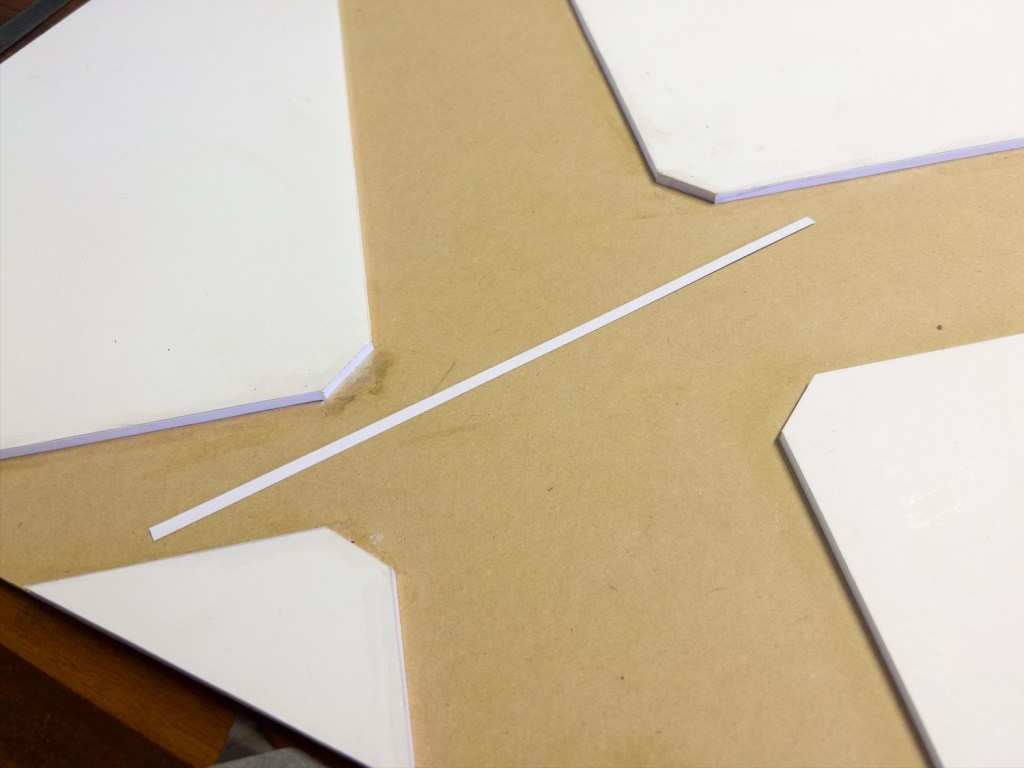
To cover up the exposed foam on the sides of the foamcore panels I cut 5mm strips of thick paper and glued them to the exposed edges.

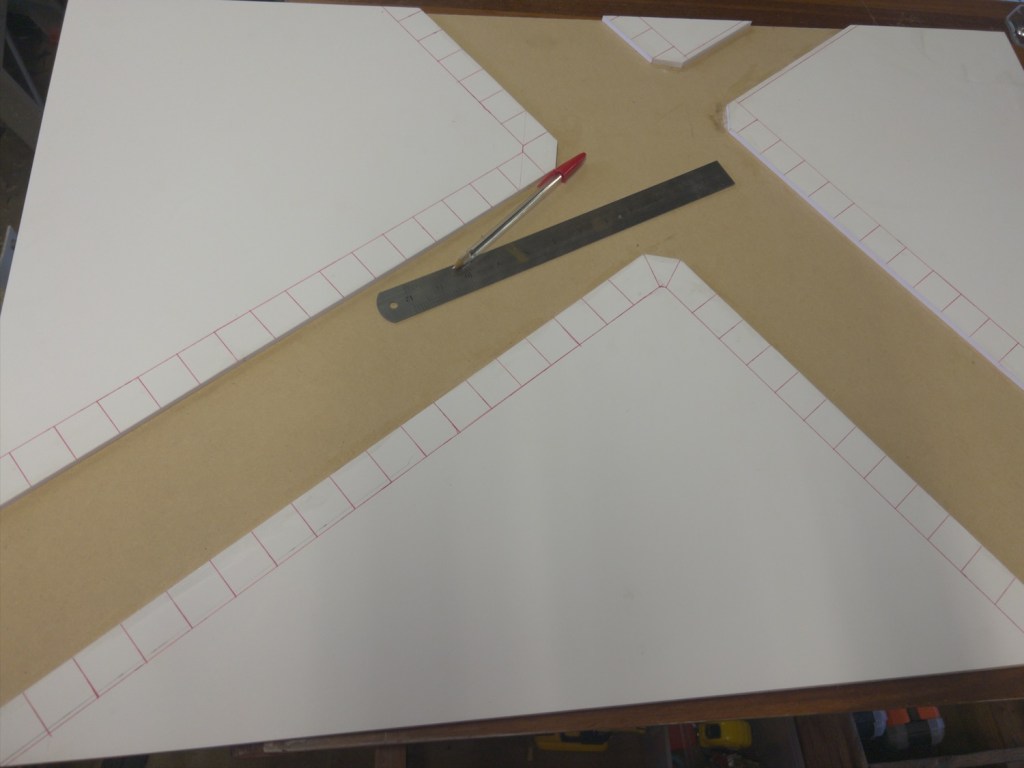
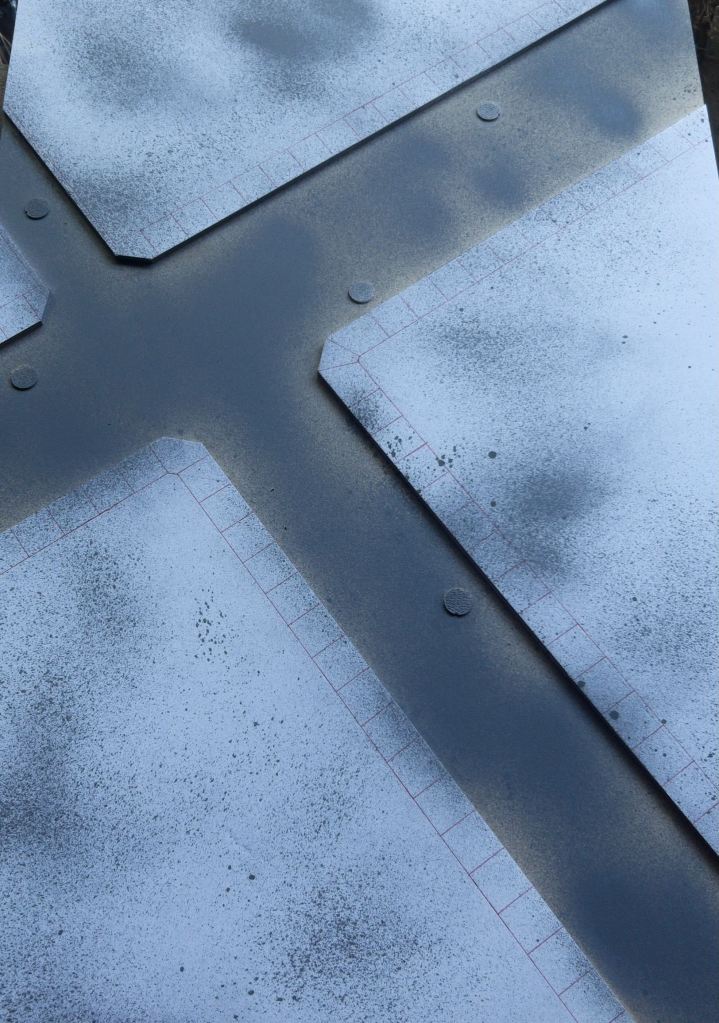
I used a ballpoint pen and a straight edge to mark some lines in the foam core to represent separate sections for the footpath. I tried to keep the pressure hard enough to mark the surface but not too hard so as not to tear through the outer layer of card.

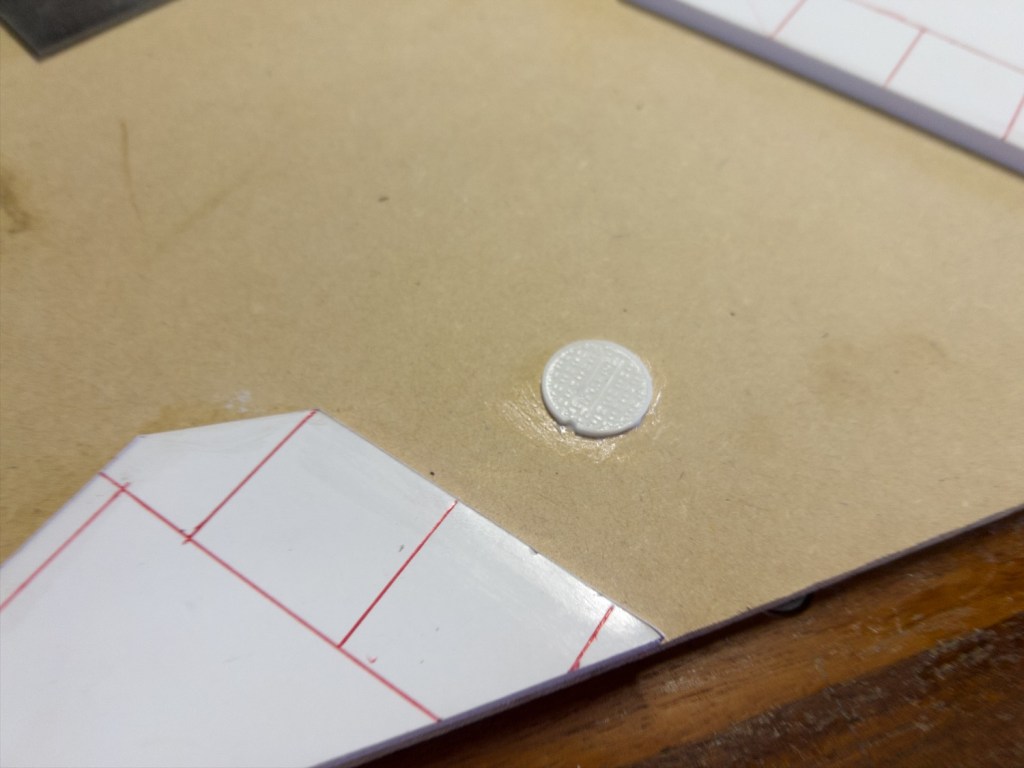
I 3d printed some manhole covers (https://www.thingiverse.com/thing:3246148 – shrunk to 20mm diameter) to add some details to the road sections. I glued these down using PVA.

I had a little bit of Citadel Roughcoat left in an old can so I sprayed some in patches, concentrating on the road sections, but making sure to dust all areas. I then undercoated the whole board with some grey undercoat, painted the road sections over with a mix of black and blue paint, aiming for that asphalt colour.

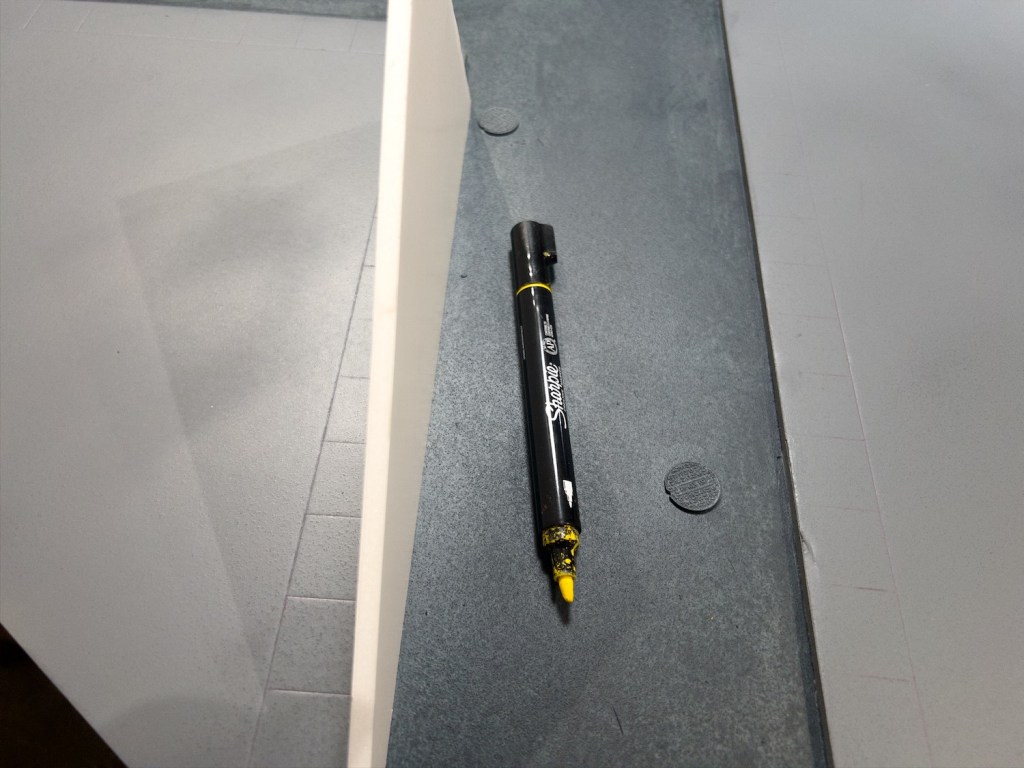
For the lines on the roads I used a Sharpie paint pen (Creative Marker I think is the name). I used some foam core offcuts to act as a spacer, pushing them against the raised edge. This worked really well and I’ll do this again if I have to paint road lines again in the future.

Fresh lines! Time to dirty this up.

I then got into weathering all this. No photos from this stage I’m afraid, was having too much fun to remember to take photos! I used quite a few washes of diluted acrylic paint, as well as some drybrushing and stippling paint using a torn sponge. Finally I broke out the airbrush and sprayed on some patches of browns and greys.

I also used the airbrush masked with a piece of paper to spray a mostly clean line along the paved area to separate it from the rest of the non-road sections.

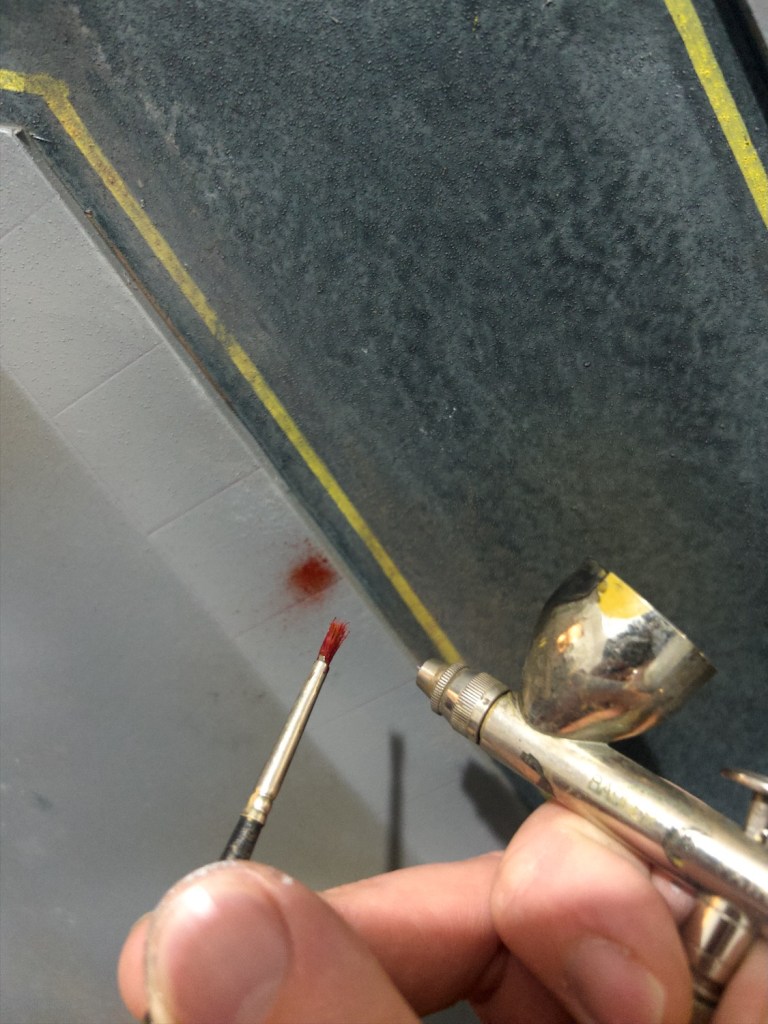
Finally I sprayed a few splatter effects with the old trick of loading up your brush with some paint/wash and using the air from the airbrush to flick it everywhere.

A few splatters. You can also see the effect of masking off the footpath area in this photo.

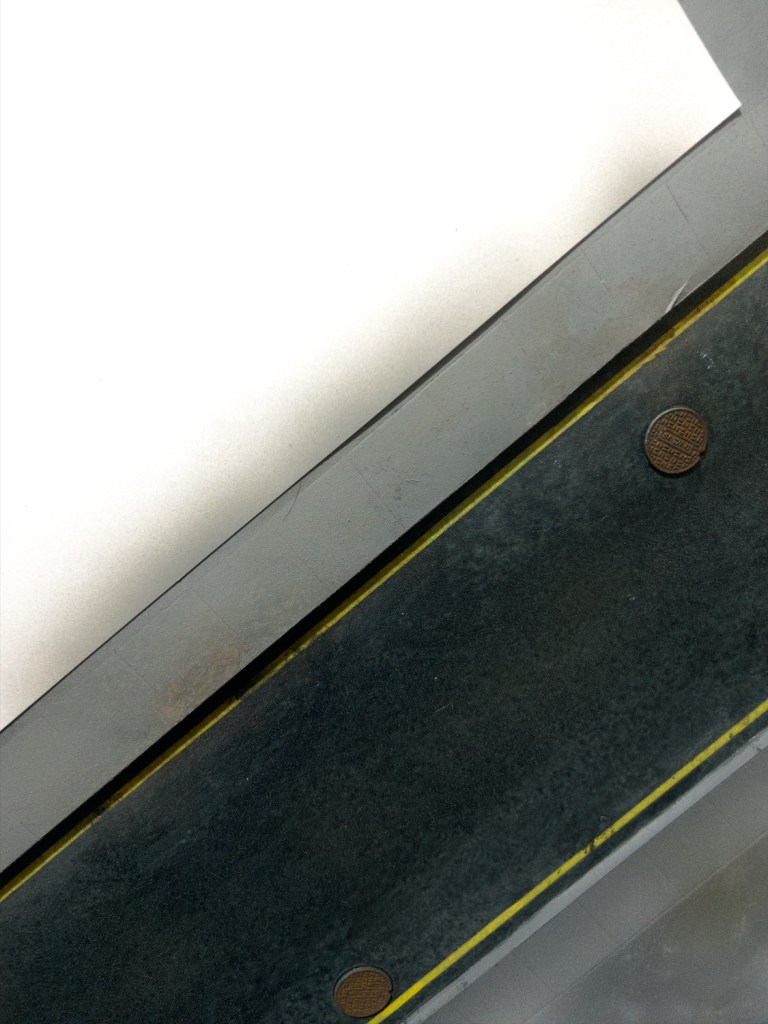
The manhole covers were just painted with a burnt umber and drybrushed with a gunmetal. These really should be level with the road surface, but I wasn’t keen enough to cut a recess for these to sit in.

I really enjoyed putting this together, and now need some terrain to go on top! Luckily enough I have some 3D printed buildings ready to go (ready for painting at any rate!) so should be able to get started on these.

This is likely my last post before Christmas, so for those of you that celebrate it I hope you have a lovely time (and lots of miniatures under the tree)!

Masse d’Armes

I’ve been thinking about game rules quite a bit over the past few weeks (which prompted my Midgard review last post!), and have been reading rulesets not so much to play them, but to think about wargaming rules in general. In so doing I came across a subset of wargaming rules written as pamphlets or zines published by individuals (mostly on itch.io), in the vein of some lightweight roleplaying games that have become fairly popular over the last few years. These generally seek to address issues they see with big rulebooks in the role-playing and wargaming worlds, which is that there are just too many rules in games, and they can be stripped down while keeping their essence. This lightweight approach to rules is quite compelling for me, as my game time is much reduced these days and I don’t really enjoy re-learning complex rules every time I do get to play. More importantly, I found seeing “regular people” produce their own rulesets quite inspirational and I decided to give it a shot myself.

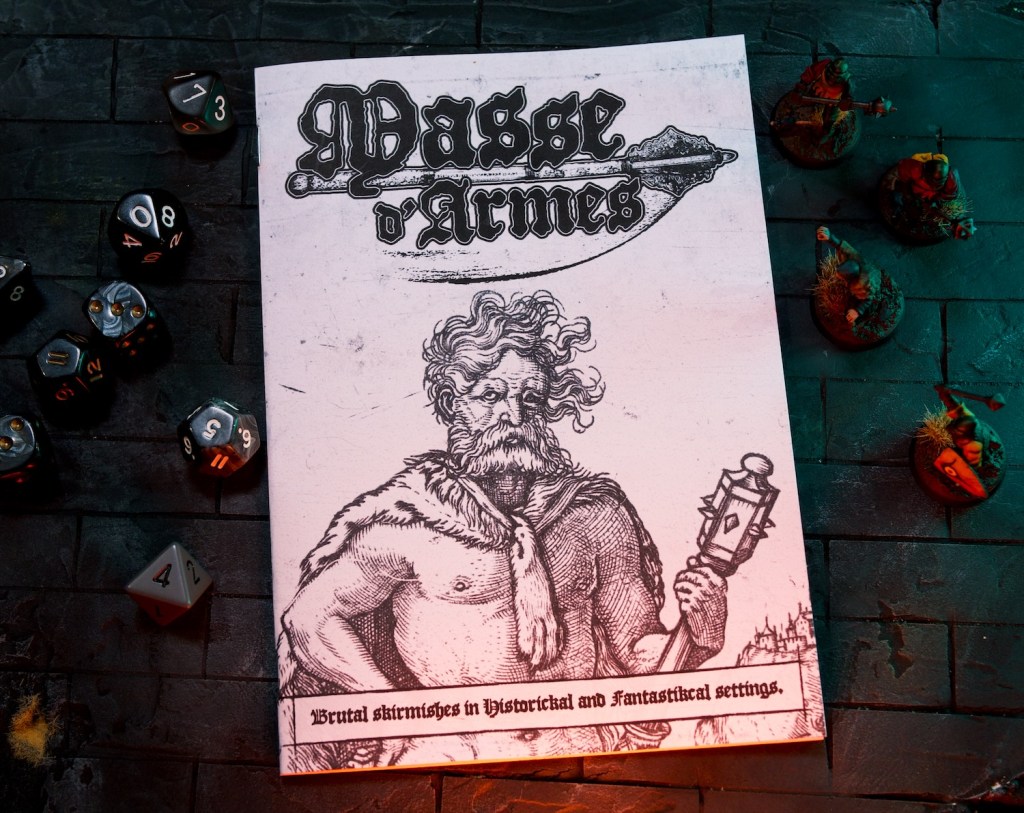
The result of this is Masse d’Armes, a small ruleset for playing out skirmish games (~4-8 models) in settings both historical and fantastical. It’s fine for any setting where the technology level is blackpowder era or below, and has rules for magic for more fantastical settings. I’ve put up the latest version of the rules over at https://lair-of-the-lagomorph.itch.io/masse-darmes as a free download, it’s likely to get updates sooner or later, but at least I’m past the constant tweaking phase.

The game itself is derived from quite a few other games I enjoy playing, making use of mechanics or mechanics inspired by other wargames and role playing games. The basic concept is that of opposed rolls, where models add a characteristic die (d6 to d12 depending on skill level), to their weapon die (also d6 to d12). Highest roll wins, and the amount they win by determines the outcome. This means combat is resolved in a single roll and makes the game quite quick. Shooting and magic are variations on this theme.

Assembling warbands is quite straightforward too, there are no points, players simply add traits to their models to represent equipment/skill/abilities up to a maximum of 15 traits. Models must have at least one trait, so players can either have a few models with many traits or many models with fewer traits.

Overall I think the rules are simple and the games pretty quick. If you’re interested do check them out, I’d love to get some feedback from people outside my gaming group!

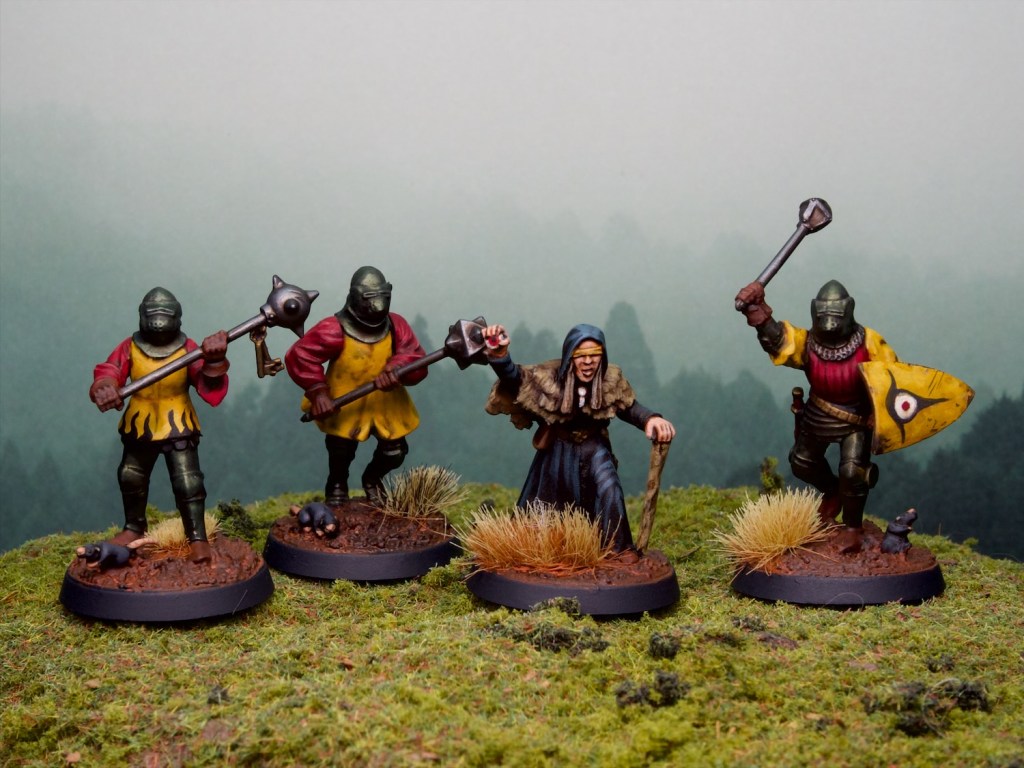
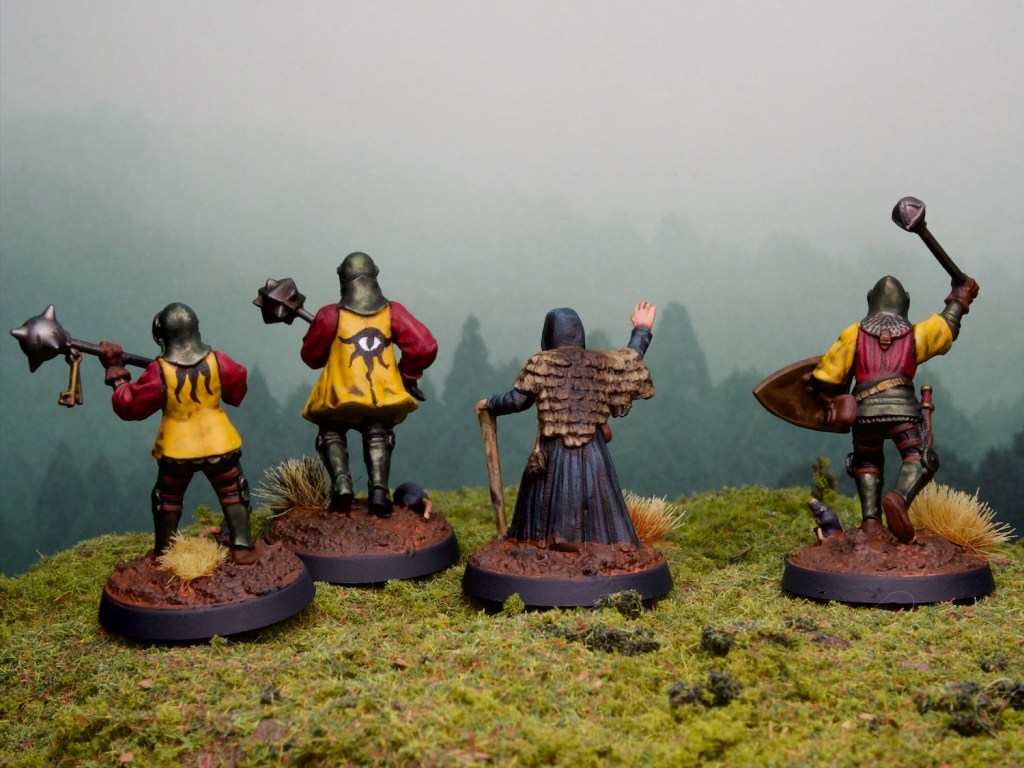
With the rules in place I decided to put a warband together as a fun small painting project. This warband is quite elite with only 4 models. The leader is the seer with Sorcery d10 (3 traits), then two heavily armoured knights with weapon die of d10 and great weapons (4 traits each), and a heavily armoured knight with weapon die of d8, hand weapon and shield (4 traits).

The Seer model is from Bad Squiddo Games which I’ve had for a little bit, and this seemed like a great time to use it. Yes that’s a giant’s eye she’s holding! The knights are Perry Miniatures, from their Agincourt French Infantry set, with some Warhammer mace heads (for the great weapons), and a mace from the Morannon Orcs from MESBG. The shield is from Wargames Atlantic’s Foot Serjeants set.

I decided that the knights are there to form the bodyguard for the seer and added some eye-related iconography to tie them all together. They were quite fast to paint, and I enjoyed myself throughout the process (kit bashing and painting!).

It’s been fun looking at other aspects of the hobby, and to think about how a game could work given my own preferences. I’ll keep working on Masse d’Armes, and might even try my hand at some other games in the future. If you do read the rules, let me know what you think!